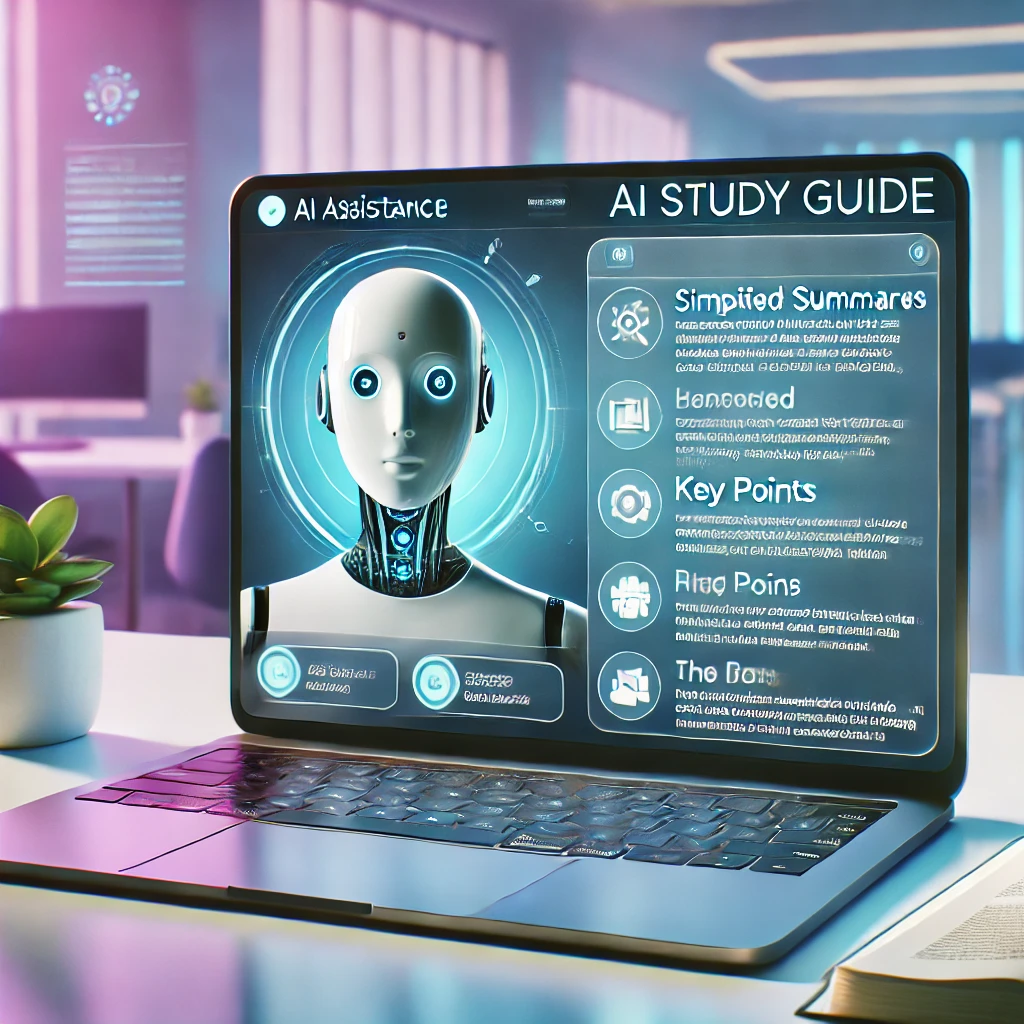
Graphic design as a discipline has been operating on a cross-section of art and technology where technologies mediate creative activities. As AI influences multiple industries, AI Generated Graphic Design Briefs are helpful for designers, clients, and creative agencies. These briefs are made through the use of AI, and their only purpose is to organize the first steps of a design project to ensure better and more efficient communication, which leads to the creation of a brief and practical plan. In this article, we look at what AI Generated Graphic Design Briefs are, how they operate, their advantages and disadvantages, and their impact on the graphic design world.

Understanding AI Generated Graphic Design Briefs

An AI generated graphic design brief is a document created through artificial intelligence that serves as a guideline or roadmap for designers. It can contain different aspects of a project, such as the design objectives, the audience, preferences in style, color choices, and even samples of what the design should look like. Whereas a conventional brief is prepared based on a consultation and idea-synthesizing meeting, AI can make many preparations by evaluating patterns, inclinations, and goals to develop well-rounded, client-specific briefs.
AI Generated Graphic Design Briefs can be a real-time saver, especially when a large group is involved, or the clients themselves may have difficulty expressing what they want. These AI tools utilize Natural Language Processing (NLP) and machine learning algorithms to understand the inputs from the clients or project managers, study the success of design trends, and build a well-structured checklist that can be followed to design uniquely and efficiently.
How AI Generated Graphic Design Briefs
The process of generating an AI Generated Graphic Design Briefs involves several stages, each of which employs unique formulas and approaches to provide a thorough and customized brief.
1. Gathering Inputs
In the first step, the AI system collects data from clients or stakeholders regarding the need, the industry situation, or the preferred style. Users is significant in preferences, answer questionnaires developed by the AI, or submit documents containing preferences. This input-gathering step is crucial because it sets out the framework on which the brief will be developed.
2. Analyzing Past Trends and Data
AI Generated Graphic Design Briefs using vast data sets containing existing designs, trends, and successful projects. These data sets are then fed to machine learning models that search for patterns in the choice of color, typography, and layout that appeal to a specific demographic. Based on this approach, the AI will suggest styles and methods that are not only inspirational but also profitable.
3. Generating the Brief
Subsequently, the AI synthesizes a comprehensible, unmistakable, and practical design brief using NLG. It may give ideas of the theme, tone, and color scheme while at the same time providing clear instructions on what the design should accomplish. The AI Generated Graphic Design Briefs is well understood, and the language employed is simple to comprehend, so designers do not have to overcomplicate things when applying the concepts.
4. Offering Real-Time Reiterations
The first important characteristic of AI-generated graphic design briefs is flexibility. Clients’ and designers’ preferences can be changed during the process, and the AI will also update the brief. This makes it possible to adapt to changes in ideas, additional changes, or, as is often the case when talking to clients, changes that come up in the course of the conversation.
Benefits of AI Generated Graphic Design Briefs

AI has many advantages in graphic design briefs, including making the work much faster and encouraging imagination. Here’s a look at the primary advantages:
1. Time-saving and Minimizing Paperwork
In conventional briefing, there are numerous meetings or briefings, questionnaires, and iterations to improve a particular aspect of a project AI Generated Graphic Design Briefs minimize this process; thus, less work has to be done by hand while more can be left to the designers’ creativity. This is especially useful for agencies and freelancers, who can save a great deal of time here.
2. Enhancing Clarity and Reducing Miscommunication
The lack of proper information exchange between a client and a designer is a relatively common issue in design. AI Generated Graphic Design Briefs are less likely to cause confusion because they are written concisely, in a structured style, using only the given format. Self-administered questionnaires and NLP also prevent misunderstanding of client expectations because the system can identify when a client has used unclear language and alert the client to provide more specific information.
3. Increased Consistency Across Projects
Consistency should be enhanced for clients who have immense branding requirements or who will require the services of the graphic designer too often. The use of AI Generated Graphic Design Briefs guarantees that all the projects are done regarding the set brand qualities, colors, typeface, and other qualities that may be unique to the brand. These consistencies are especially helpful for large companies with several design teams or significant numbers of agencies that work on the same brand.
4. Data-Driven Design Recommendations
AI is capable of integrating the results from previous campaigns or similar projects so that clients and designers can make better decisions. For instance, if the AI has learned that specific color schemes are effective in a particular industry, it can recommend such a color palette in brief. Using this data makes it easier to design items that would be attractive to the target clients.
5. Accessibility for non-designers
Another issue that may matter to clients who may not have a background in design is how to express their needs. AI generated graphic design briefs this gap by ensuring that people who do not understand design can express their ideas without mastering design language. These AI briefs are just ways of simplifying clients’ requirements into smaller concepts that are easier for designers to understand.
Challenges of AI Generated Graphic Design Briefs
The first challenge of AI generated graphic design briefs is that their generation is random since it is based on the algorithm used to create the design. As with most things in life, there is no downside to getting AI generated graphic design briefs, but the industry must consider a few challenges.
1. Limited Creativity in Initial Concepts
This is because these briefs mainly depend on patterns and past data; hence, they tend to produce repetitive or less creative designs. The AI can become fixed on previous success and, therefore, fail to consider the unconventional strategies that a human designer may bring.
2. Lack of Personal Touch
Automated briefs also do not have the warm feel of knowing that they were written by a human being. Design is a very intimate and social activity; thus, some stances or subliminal connotations of a project may not be perceived when a brief is created by AI. This is so because human communications give extra information that AI may not be able to grasp sufficiently.
3. Dependency on High-Quality Data
This means that the quality of an AI-generated brief can only be as good as the data and algorithms feeding into it. If the AI has access to bad data, it can create flawed, less appealing, or biased designs that do not serve the intended purpose. Another factor for success is the most recent algorithms and verified datasets, which have to be continuously upgraded.
4. Risk of Losing Sight of Client’s Ideas
Even with the recent improvements in NLP, there are definitive cases when, for example, an AI needs clarification on highly subjective or abstract vocabulary. For instance, a client may have a notion of ‘modern elegance’ that may not coincide with the meaning the AI has learned from a set of data.
The Role of AI in the Future of Graphic Design Briefs

Graphic design is expected to increasingly involve AI in the future, both in terms of brief creation and support for the creation process. Here are some potential directions AI generated graphic design briefs could take in the future:
1. Integration with Design Software
As technology advances even further, we might have AI turn briefs into in-app suggestions for designers, provided within design applications. This would facilitate an easy flow from designing to development, where the designer can follow the brief without having to move between applications.
2. Personalization Through Advanced Machine Learning
It can be assumed that future upgrades of machine learning algorithms will help the AI systems better interpret more abstract client preferences. Such a process could result in briefs that are unique in every way, reflecting the client’s desires more discreetly through stylistic features that would give the brief a more client-like feel.
3. Enhanced Collaboration Through AI-Driven Feedback
Thus, AI could also help in the feedback loop: it could look at early sketches, compare them with the brief, and tell where changes might be made. It could also help improve the cooperation between clients and designers, minimize the necessity of revisions, and maintain the client’s objectives in focus during the whole design process.
4. Ethical and Cultural Sensitivity
In the future, there will be a great emphasis on ethical and cultural concerns when it comes to design. Such briefs may contain a set of parameters that can recognize potentially controversial vocabulary and offer to use other phrases instead. This could be helpful, particularly in international projects, because aesthetic differences between cultures define how designs are perceived by the global target audience.
Conclusion
AI generated graphic design briefs are relatively new in the graphic design industry and are set to revolutionize the industry due to the many advantages such as; increased efficiency, increased clarity, and an improved, more collaborative design process. By automating the initial stages of project planning, AI allows designers to focus on what they do best: to design practical and aesthetically appealing signs and symbols. Nonetheless, as with any technology, there are still issues that need to be resolved, especially regarding creativity, data quality, and meeting the client’s requirements.
However, AI Generated Graphic Design Briefs still present numerous opportunities, and future improvements in AI technology promise to mitigate these problems. As the application of AI progresses, design briefs will become progressively specific, cultural, and enhanced by AI to create a new era of AI and graphic design cooperation in the future. AI-generated briefs will bring significant changes to this field and open new opportunities for designers and clients, helping them enhance the graphic design environment.