Kitchen renovations represent significant investments that most homeowners undertake once or twice in a lifetime. Every decision carries weight because you’ll live with the results for decades. Some choices matter more than others in determining satisfaction and value.

Countertops occupy a unique position in renovation priorities. They’re not purely decorative like paint colors you can change easily. Yet they’re not as structural as cabinets requiring complete demolition to replace. These surfaces affect your daily experience more than almost any other kitchen element. You touch them constantly while preparing meals, setting down groceries, and cleaning up. Their performance under real-world conditions determines whether you love or regret your renovation.
Shopping at kitchen countertops stores reveals overwhelming options from natural stone to engineered materials. The variety helps you find perfect matches but also complicates decision-making. Understanding why these surfaces matter so much helps you prioritize effectively. The right countertop selection transforms good renovations into great ones. Poor choices undermine even the most beautiful cabinet and flooring selections. Let’s explore exactly why these surfaces deserve your careful attention and investment.
Your Kitchen’s Visual Anchor Point
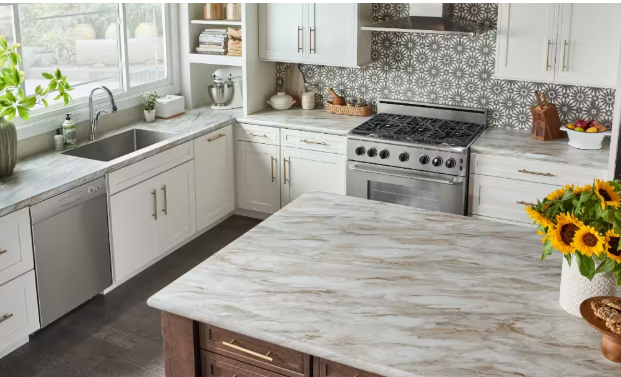
Countertops create the largest continuous surface in most kitchens. They establish color palettes and set design direction instantly. Everything else coordinates around these prominent horizontal planes. Light-colored surfaces make kitchens feel larger and brighter. White and pale gray counters reflect illumination throughout spaces. This expansion effect particularly benefits smaller or darker kitchens.
Dark counters add sophistication and ground designs visually. Black, deep gray, or rich brown surfaces create dramatic contrast. They define work zones clearly while adding contemporary edge. Pattern intensity influences overall kitchen mood significantly. Busy veining patterns with lots of movement create energy and excitement. Subtle patterns or solid colors promote calm, minimalist atmospheres.
The sheen level affects how light interacts with surfaces. Polished finishes reflect light creating luminous effects. Matte or honed surfaces absorb light producing quieter, softer aesthetics. These visual qualities impact your daily emotional experience. Walking into bright, welcoming kitchens lifts spirits. Dark, sophisticated spaces feel cozy and intimate during evening gatherings.
The Daily Functionality Factor
Beauty means nothing if surfaces don’t perform under real use conditions. Kitchens endure hot pans, sharp knives, acidic foods, and constant cleaning. Materials must withstand this abuse without showing excessive wear. Heat resistance varies dramatically between material types. Natural stone like granite tolerates extremely high temperatures safely. Laminate and some engineered options require careful trivet use preventing damage.
Scratch resistance keeps surfaces looking new through years of food preparation. Harder materials maintain flawless appearances despite knife contact. Softer alternatives develop visible wear patterns over time. Stain resistance depends on porosity and sealing quality. Dense, well-sealed surfaces repel wine, coffee, and oil effectively. Porous materials without proper protection show every spill eventually.
Maintenance requirements affect whether you’ll actually keep surfaces beautiful. Simple soap-and-water cleaning suits busy lifestyles perfectly. Materials needing special cleaners or frequent sealing add unwanted complexity. Understanding kitchen work triangle principles shows how counter placement affects efficiency. Adequate workspace at each activity zone prevents frustration. Materials must perform well in these high-use areas.
Investment Value and Return
Kitchen renovations typically recoup 50-80% of costs at resale. Quality countertops significantly influence these returns. Buyers notice and value premium surfaces immediately during showings. Cheap materials signal corner-cutting throughout the home. Buyers wonder what other shortcuts exist if counters look substandard. Premium surfaces suggest overall quality and care. Durability directly impacts long-term value calculations. Surfaces lasting 30+ years justify higher initial investments. Materials needing replacement after 10 years prove expensive over time.
Timeless choices maintain appeal across changing trends. Classic materials and colors never feel dated. Trendy selections risk obsolescence requiring expensive updates. Professional installation protects material investments completely. Expert surface installation ensures proper support, level positioning, and sealed seams. Poor installation ruins even the finest materials.
Regional Considerations and Local Expertise
Working with experienced local suppliers provides multiple advantages. They understand regional preferences and architectural styles common in your area. Their expertise guides selections proven successful locally. Professionals familiar with granite countertops louisville ky know which materials suit local tastes best. They maintain relationships with trusted fabricators ensuring quality. This network delivers consistent results homeowners can rely on. Climate affects material performance in ways many overlook. Humidity levels influence natural stone behavior. Temperature extremes test material durability over years.
Local suppliers stock materials that work well in regional conditions. They’ve seen what performs and what causes problems. This experience prevents expensive mistakes. Transportation costs decrease significantly with nearby sources. Heavy stone requires specialized hauling. Proximity to Simpsonville, KY area fabricators reduces these expenses noticeably. Supporting local businesses strengthens community economies. These relationships often extend beyond single transactions. Repeat customers receive priority service and preferential treatment.
The Practical Space Planning Element
Counter space quantity affects kitchen functionality dramatically. Too little creates constant frustration during meal preparation. Adequate work surfaces make cooking enjoyable rather than stressful. Standard recommendations suggest a minimum 158 inches of usable counter space. This baseline accommodates most cooking styles comfortably. Serious cooks benefit from additional area.
Counter depth variations optimize different activities. Standard 25-inch depths work for general tasks. Deeper sections benefit baking and large-project food preparation. Landing zones near appliances prevent accidents and increase efficiency. Minimum 15-inch spaces beside cooktops provide safe pot placement. Similar zones near refrigerators ease unloading groceries. Island counters create additional workspace and social gathering spots. They define kitchen boundaries in open floor plans. The surfaces serve multiple functions throughout days.
Corner treatments maximize or waste valuable space depending on approach. Dead corners frustrate while well-designed solutions utilize every inch. Counter material choices don’t affect this but coordinating these elements matters.
Material Selection’s Psychological Impact
We touch counters hundreds of times weekly creating intimate material relationships. Smooth, cool stone feels luxurious under fingertips. Warm wood surfaces create emotional comfort and connection. Natural materials connect us to earth and nature. Stone’s authentic beauty carries geological history. This authenticity resonates psychologically with many homeowners. Engineered materials offer consistency some find reassuring. Predictable patterns eliminate surprises. The uniformity appeals to those valuing control and precision.
Understanding composite material engineering reveals sophisticated manufacturing processes. Modern technology creates surfaces rivaling or exceeding natural performance. This innovation appeals to tech-forward individuals.
Color psychology influences mood and appetite. Warm tones stimulate appetite and conversation. Cool colors create calm, serene environments. Your countertop choice reflects personal values and identity. Sustainable materials signal environmental consciousness. Premium natural stone suggests quality appreciation. Budget options demonstrate practical sensibility.
The Coordination Challenge
Countertops must harmonize with cabinets, flooring, and backsplashes. Getting these relationships right creates cohesive, professional results. Poor coordination produces disjointed spaces lacking flow. Contrast creates visual interest and definition. Light counters on dark cabinets or vice versa adds sophistication. Too much matching feels monotonous and flat. Undertones matter enormously in color coordination. Warm gray counters clash with cool gray cabinets. Identifying these subtle differences prevents expensive mismatches. Scale differences between patterns require careful balancing. Large veining patterns need simpler surrounding elements. Busy cabinets work better with subtle counter patterns. Transform your renovation results by viewing all materials together under actual lighting. Showroom fluorescents differ from home illumination dramatically. This simple step prevents costly regrets. Finish combinations affect overall sophistication levels. Mixing glossy and matte textures adds depth. Too many competing finishes create visual chaos.
Health and Safety Factors
Food safety concerns influence material selection for health-conscious families. Non-porous surfaces resist bacteria growth better than porous alternatives. This characteristic matters especially around food preparation zones. Chemical sensitivity requires attention to material composition and required cleaners. Some people react to sealers or cleaning products. Natural materials sometimes require gentler maintenance approaches. Sharp corner edges pose injury risks particularly with young children. Rounded or beveled edges increase safety. These details matter more than aesthetic preferences suggest. Slip resistance affects safety around sink areas where water accumulates. Matte finishes provide better traction than polished alternatives. This consideration particularly matters for elderly household members. Thermal properties affect burn risk from hot cookware. Materials staying cooler to touch reduce accidental burn potential. Stone generally feels cooler than synthetic alternatives.
Making Your Final Choice
Balance all factors aesthetics, performance, budget, and lifestyle according to your priorities. No single material excels in every category. The right choice fits your specific situation perfectly. Visit multiple suppliers comparing options directly. Photos never capture materials’ true character. Touch surfaces and see them under various lighting conditions. Request samples viewing at home for several days. Your kitchen’s lighting differs from showrooms significantly. Living with samples reveals how materials actually appear daily. Check references and view completed installations. Quality fabricators happily share customer contacts. Their past work demonstrates capability and attention to detail. Trust your instincts about both materials and professionals. If something feels wrong, continue searching. The right combination feels naturally correct when you find it.
Conclusion
Kitchen countertops deserve their prominent place in renovation planning and budgets. They affect aesthetics, functionality, value, and daily satisfaction simultaneously. Few elements deliver such comprehensive impact on your completed space. Taking time to understand options and make informed choices pays dividends for decades. Rushing decisions or cutting corners here undermines entire renovations. The surfaces you select today shape countless meals, gatherings, and memories ahead. Your investment in quality materials and professional installation protects overall renovation value. These aren’t areas for shortcuts or excessive compromise. Getting countertops right elevates everything else in your kitchen.
FAQ
What percentage of renovation budget should go to countertops?
Typically 10-15% of total kitchen renovation budgets. This proportion ensures adequate quality without neglecting other important elements. Adjust based on your priorities.
Can countertops make small kitchens look bigger?
Yes, light-colored surfaces create expansive feelings. They reflect light making spaces feel more open. This visual trick works remarkably well.
How long should quality countertops last?
Natural stone easily lasts 30-50+ years with proper care. Engineered materials typically last 20-30 years. Quality installation extends all materials’ service lives.
Do countertops really affect resale value?
Absolutely. Buyers immediately notice and judge kitchen quality. Premium surfaces suggest overall home quality and attract more interest.
Should I match counters to cabinets exactly?
No, contrast usually creates better results. Exact matching feels flat and uninteresting. Complementary colors with contrast add sophistication.
What’s the most important countertop quality?
This depends on your lifestyle. Busy families prioritize durability and low maintenance. Design enthusiasts emphasize aesthetics. Consider your actual needs honestly.