Look I’m not gonna sugarcoat this. What happened in Minnesota shook people. When you hear about an ICE agent shooting someone during an operation it hits different. This isn’t just another news cycle story that disappears in 48 hours. This is about Jonathan Ross a federal agent whose name is now permanently attached to an incident that’s got everyone asking uncomfortable questions.

And then there’s Rebecca Good the woman whose life changed forever that day. Her story her family’s pain and how the community rallied around them? That’s what really matters here. So let me break down everything we know without the political spin or bureaucratic jargon. Just the real story of what went down.
Who is Jonathan Ross?

Here’s the thing about Jonathan E. Ross – before all this most people had never heard of him. That’s pretty standard for federal agents especially ICE officers. They keep low profiles for safety reasons which makes sense given the nature of their work.
What we’ve pieced together is that Jonathan Ross (you’ll see his name spelled as Johnathan Ross or Jonathon Ross depending on which report you’re reading) worked as an ICE officer in Minneapolis. He wasn’t fresh out of training either. From what sources indicate he had real experience in the field.
ICE agents exist in this weird gray area. They’re federal law enforcement but their work directly impacts neighborhoods and families in local communities. They enforce immigration laws that let’s be real half the country thinks are too harsh and the other half thinks aren’t enforced enough. And they’re making split-second decisions in situations that can escalate fast.
Experience matters in law enforcement. Veteran officers supposedly know how to read situations when to use force when to de-escalate. That’s why what happened next caught so many people off guard.
The Shooting: What Really Went Down
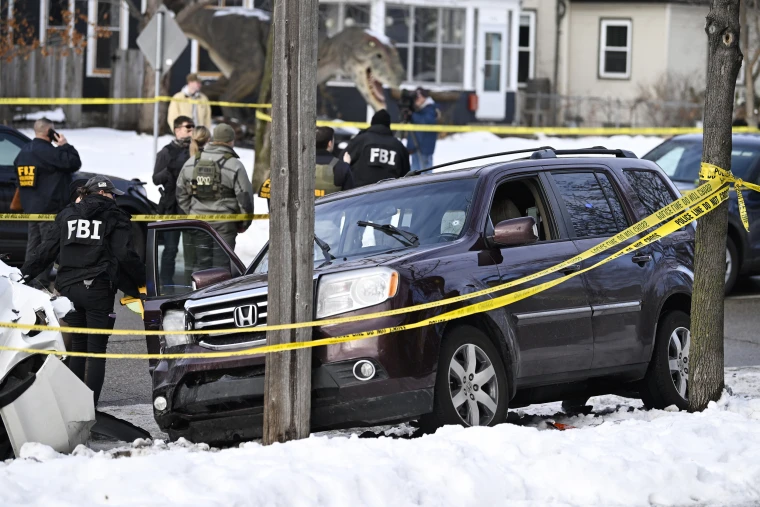
So what happened in Minnesota that day? The basics are this: ICE officers including Jonathan Ross were conducting an enforcement operation in Minneapolis. These operations are supposed to be planned out controlled targeted at specific individuals. But things went sideways.
Details are still murky because the investigation is ongoing but here’s what we know for sure: there was a confrontation tensions escalated and then shots were fired. A woman shot in Minneapolis by ICE – that’s the headline that started spreading fast.
That woman was Rebecca Good also known as Renee Nicole Good in various reports. She wasn’t just collateral damage or some statistic. She’s a real person with family with a life that was completely upended in seconds.
Different versions of what led to the shooting have emerged. Some say there was resistance. Others talk about confusion and miscommunication. Witnesses have their own accounts that don’t always line up with official statements.
The truth? It’s probably somewhere in the middle of all these competing stories. But what nobody disputes is this: an ICE officer shooting Minneapolis resident happened and the fallout has been massive. Jonathan Ross went from being another federal agent doing his job to being at the center of a controversy that’s sparked national debate.
Rebecca Good: The Real Story Behind the Headlines
Let me tell you about Rebecca Good because in all the political noise and policy debates her story sometimes gets lost. And that’s wrong.
Renee Nicole Good – that’s how many know her was living her life when everything changed. Like millions of people in this country she was dealing with immigration status complications. It’s messy it’s stressful and it’s something most of us can’t fully understand unless we’ve been through it.
The shooting left her with serious injuries. Her family has kept most medical details private which I totally respect. They’ve been through enough without every detail becoming public entertainment. But what we do know is devastating. Medical bills. Uncertainty about recovery. Trauma that doesn’t just heal because time passes.
This is where the Minneapolis community showed up in a big way. The GoFundMe campaign that started for her the Renee Nicole Good GoFundMe – it wasn’t just about raising money. It became a rallying point for people who wanted to do something anything to help.
Thousands of dollars poured in. Then tens of thousands. People from Minnesota from other states even from other countries contributed. Reading the comments on that GoFundMe page? It’ll get you. People sharing their own ICE encounter stories their fears their anger their hope that maybe supporting Rebecca Good and her family could make some small difference.
Her family hasn’t sought the spotlight and honestly who would in their situation? Through the gofundme campaign and occasional statements we’ve gotten glimpses of their strength their pain and their determination to find justice. But mostly they’re just trying to survive a nightmare they never asked for.
How ICE Operates in Minnesota
To understand why the Jonathan Ross shooting matters so much you need to get how ICE actually operates especially in places like Minnesota.
Immigration and Customs Enforcement is probably the most controversial federal agency right now. Some people see them as essential border security. Others see them as a force that’s tearing families apart. The reality is more complicated than either side wants to admit.
In Minnesota ICE enforcement has ramped up significantly over the past decade. The Twin Cities have large immigrant communities which means more federal attention more operations more tension. ICE conducts what they call “targeted enforcement operations” going after specific people they say are here illegally or have committed deportable offenses.
On paper these operations follow strict protocols. Plan carefully minimize risk use force only when absolutely necessary. But in practice? These operations happen in residential neighborhoods early morning with families who are terrified and confused about armed federal agents at their door.
The use of force policies for ICE mirror other federal law enforcement. Agents can use deadly force if they reasonably believe lives are in danger. But “reasonable” is subjective. What seems reasonable in a split-second can look very different when analyzed for months afterward.
Before the Johnathan Ross ice agent incident tensions were already high. Community groups had been complaining about ICE tactics for years. Stories of people getting swept up who weren’t even targets. Families traumatized by raids. Fear spreading through entire neighborhoods.
So when news broke about an ice officer shooting Minneapolis woman it wasn’t happening in isolation. It was gasoline on an already burning fire.
The BCA Investigation
After any officer-involved shooting there’s supposed to be an investigation. With a federal agent involved things get complicated fast. That’s where the BCA Bureau of Criminal Apprehension comes in.
The BCA is Minnesota’s state investigative agency. They handle major crimes officer-involved shootings cases that need expertise and independence. Having the BCA investigate the Jonathan E. Ross shooting was actually a smart move for transparency. Federal agencies investigating themselves? Yeah nobody trusts that.
The BCA investigation has been thorough from what we can tell. Interviewing witnesses collecting evidence reviewing any footage that exists. They’re trying to reconstruct those crucial moments when everything went wrong.
But here’s the frustrating part: these investigations take forever. Months. Sometimes longer. The BCA doesn’t rush which is good for getting it right but agonizing for a community demanding answers.
Key questions they need to answer: Was the force justified? Did Jonathan Ross follow protocols? Could this have been avoided? Was Rebecca Good actually a threat or did something get misread?
These aren’t easy questions. And honestly the answers probably won’t satisfy everyone. Legal justification and moral judgment don’t always align.
The BCA has been tight-lipped about findings which is standard but feeds speculation. In the social media age every delay gets interpreted as a cover-up. Everyone’s got opinions about what the investigation should find.
What we know is they’re looking at everything – not just the shooting itself but the planning the tactics the decision-making leading up to it and what happened after.
Legal Questions and Accountability
Will Jonathan Ross face charges? That’s what everyone wants to know.
Charging a federal law enforcement officer is complicated. We’re dealing with federal immunity departmental policies legal frameworks designed to protect officers acting within duty scope. If investigators determine Ross acted appropriately under ICE policy and his force use was justified criminal charges become unlikely.
But “justified under policy” doesn’t mean “right.” That gap is where a lot of public frustration lives.
Legal standards for deadly force are established: officers need reasonable belief of imminent death or serious harm threat to themselves or others. The question is whether another officer in the same situation would’ve believed deadly force necessary.
Defense would argue Ross made split-second decisions under pressure his actions reasonable based on what he knew. Prosecution would need to prove his force wasn’t reasonable that he violated Rebecca Good‘s rights that he acted recklessly.
That’s a high bar with a trained federal officer.
Civil liability is different. Even without criminal charges Rebecca Good‘s family could pursue a civil lawsuit. Civil cases have lower proof burdens and focus on compensating harm rather than criminal punishment.
We’ve seen this pattern before: no criminal charges substantial civil settlement. Not ideal for justice but often how these cases resolve.
Accountability goes beyond Jonathan Ross though. What about ICE as an agency? The supervisors who planned this operation? The policies guiding enforcement actions?
Advocacy groups want systemic accountability – not just one officer but examining how ICE operates. Did planning adequately consider risks? Were there warning signs? Should operations be conducted differently?
Those questions are harder to address legally but just as important.
Community Response and Support
Here’s where the story gets inspiring: the community response to Rebecca Good.
Almost immediately after news spread people mobilized. Not just social media posts – actual action. The GoFundMe campaign launched for Renee Nicole Good struck a real chord.
Within days thousands donated. Then tens of thousands. People from Minnesota other states other countries. Reading through comments was emotional. People sharing ICE encounter stories immigration fears anger about what happened hope that supporting the family mattered.
But support went beyond fundraising. Vigils in Minneapolis. Community organizations providing services. Immigration rights groups pushing for policy changes and ICE oversight.
Protests too. People gathered at federal buildings demanding accountability transparency justice for Rebecca Good. Some protests were small others drew crowds and media.
What struck me was how support crossed typical dividing lines. Immigration activists progressive groups faith communities neighborhood organizations regular people horrified by what happened all showing up.
The GoFundMe campaign became a rallying point. Something concrete people could do when they couldn’t fix larger systemic issues. For Rebecca Good‘s family it provided crucial financial support during crisis.
Organizers told me: “This isn’t about politics for most donors. It’s about a family in crisis and a community wanting to help.”
That human decency wanting to help someone hurt it’s easy to lose sight of in policy debates. But that’s what drove community response.
Political Fallout and Debate
The Jonathan Ross ICE shooting didn’t stay local long. It became part of national conversations about immigration enforcement and federal overreach.
Representative Angie Craig was among the first political figures speaking out. Craig represents Minnesota’s Second Congressional District and has been vocal on immigration issues. Her response was measured but firm: thorough investigation transparency accountability if wrongdoing found.
That balanced approach – calling for investigation without prejudging – is rare now when everyone’s expected to pick sides immediately. Craig balanced supporting law enforcement when appropriate and demanding accountability when things go wrong.
But others weren’t measured. Some politicians used the incident to call for abolishing ICE entirely. Others defended ICE and Ross saying wait for facts officers deserve benefit of doubt doing dangerous work.
National debate erupted. Some argued ICE agents face impossible situations enforcing Congressional laws split-second decisions shouldn’t be second-guessed. Others argued ICE has become too aggressive Rebecca Good‘s shooting was predictable result of prioritizing deportations over dignity.
The Jonathan Ross case got used by both sides supporting existing positions. Immigration hawks: see how dangerous enforcement is. Immigration rights advocates: proof current policies cause harm.
Truth is probably more complicated. Immigration enforcement is sometimes necessary and dangerous for officers. Immigration enforcement sometimes goes wrong causing real harm. Both can be true.
Local Minneapolis politicians navigated carefully. Constituents on all sides federal authorities to work with community demanding answers. Not an enviable position.
Impact on Trust and Enforcement
What does the Jonathan Ross shooting mean for immigration enforcement broadly? What does it do to already fragile trust between ICE and immigrant communities?
Immigration attorneys and community organizers I’ve talked to say: every incident like this sends fear ripples through entire communities.
Think about it. You’re undocumented or have family who are. You hear ICE shot someone during operation. Doesn’t matter the full circumstances you hear “ICE shot someone.”
That fear changes behavior profoundly. People stop reporting crimes fearing ICE involvement. Parents terrified sending kids to school. People avoiding hospitals needing care scared of identification and deportation.
This isn’t theoretical. Documented behavior change when enforcement ramps up or incidents occur. Real consequences for public safety health community cohesion.
From ICE‘s perspective they’re enforcing existing laws targeting lawbreakers incidents like Ross shooting are rare exceptions. Statistically true – most ICE operations don’t end violently.
But even rare incidents’ impact is disproportionate because trust is so fragile. Takes years building trust between law enforcement and communities. Takes one incident shattering it.
The shooting prompted conversations within ICE about tactics training policies. Better operation methods? Better de-escalation training? Different residential area approaches?
Important questions often lost in immediate aftermath focus on one incident. But policy implications are huge.
There’s also local cooperation with ICE questions. Some cities and states limit local law enforcement cooperation with federal immigration authorities. Argument: local cops should focus on public safety not immigration enforcement. Cooperation undermines community trust.
Other jurisdictions take opposite approaches. Immigration law is federal law local authorities obligated to cooperate. The Jonathan Ross shooting feeds these debates advocates on both sides using it as proof their approach is correct.
Clear fact: status quo isn’t working for many. Immigration enforcement as practiced creates fear separates families occasionally leads to incidents like this. But not enforcing immigration laws isn’t politically viable either.
Impact extends beyond immigrant communities. When people see federal agents shooting civilians during enforcement even immigration enforcement supporters question whether operations are conducted appropriately whether enough oversight exists whether agents face accountability when things go wrong.
Government institution trust is already low. Incidents don’t help. Rebuilding trust requires transparency accountability genuine reform efforts.
What Happens Next?
Where do we go from here? That’s the question as investigation continues and community tries healing.
For Rebecca Good and family the road ahead is long. Recovery from this trauma – physical and psychological doesn’t happen overnight. Might never be complete. They need continued community support financial and emotional navigating whatever comes next.
For Jonathan Ross future’s uncertain until investigation concludes. Career freedom reputation hang in balance as investigators determine what happened and whether actions were justified.
For ICE this incident marks another controversy for an already contentious agency. They need hard looks at operation planning and conduct officer training preventing similar incidents. Whether meaningful change happens remains seen.
For Minneapolis and immigrant communities more broadly trust rebuilding work continues. Trust damaged by this incident requires consistent effort from law enforcement political leaders community organizations.
For everyone watching it’s reminder that behind every headline about immigration enforcement or officer shootings real people’s lives are affected profoundly. A woman recovering from gunshot wounds. A family dealing with trauma. A community asking hard justice and accountability questions.
Investigation will eventually conclude. Might be charges might not. Might be policy changes might be status quo. Political debates continue because immigration isn’t going anywhere.
But whatever happens with investigation and political fallout we can’t lose sight of the human element. Real people involved. Real lives changed forever. Real questions needing answers about conducting immigration enforcement respecting both law and human dignity.
The Jonathan Ross ICE shooting in Minneapolis is more than news or talking point. It revealed deep immigration system tensions serious law enforcement accountability questions and community response at its best and worst.
As we wait for investigation answers community continues supporting Rebecca Good and family. Political debates continue about immigration policy and ICE role. Somewhere in Minneapolis a woman continues recovery from an incident that never should’ve happened.
That’s where we are. That’s probably where we’ll be awhile as legal and political processes play out. But now you know the real story as much as we can know while investigation is ongoing.
What happens next? We’ll wait and see. But this incident won’t be forgotten. Conversations it sparked about immigration enforcement accountability community trust will continue long after headlines fade.
Conclusion
The Jonathan Ross ICE agent shooting in Minneapolis is not just another headline that fades with time. It exposed deep cracks in how immigration enforcement intersects with real human lives. At the center of it all is Rebecca Good a woman whose life was permanently altered in a matter of seconds and a community forced to confront fear accountability and trust.
As investigations continue answers may come slowly and not everyone will agree with the outcome. But what remains undeniable is the human cost of this incident. Beyond policies politics and procedures this case reminds us that enforcement decisions carry irreversible consequences. Whether meaningful change follows will depend on transparency accountability and the willingness to learn from what went wrong. Until then the Minneapolis community and the nation continues to wait reflect and demand better.
More Read: https://baddiehubit.com/minneapolis-shooting-today-ice-incident-updates/