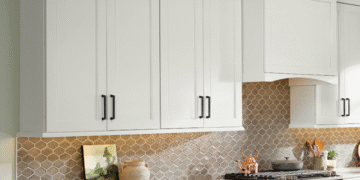
Light-colored granite is one of the most stunning choices for a kitchen. It opens up the space, adds elegance, and pairs well with almost any cabinet color. But it also shows every smudge, spill, and water spot which means it needs a little more attention than darker stone.

If you’ve invested in quality granite countertops, keeping them in great shape isn’t complicated. It just requires consistency. A few good habits go a long way toward preserving that fresh, clean look for decades.
Many Milwaukee homeowners fall in love with light granite during the selection process then get frustrated when it starts looking dull or stained within a year. That’s almost always a maintenance issue, not a material defect.
The truth is, light granite is more porous than it looks. It absorbs oils, acidic liquids, and even plain water over time. Without regular cleaning and proper sealing, stains work their way into the stone and become very hard to remove.
Taking care of your granite countertops doesn’t have to be time-consuming. With the right routine and the right products, you can protect your investment and keep surfaces looking polished every single day.
What Makes Light Granite Different From Darker Stone
Not all granite behaves the same. Color actually tells you a lot about porosity.
Light-colored granite think whites, creams, and soft beiges tends to be more porous than black or dark grey varieties. That means liquids penetrate the surface more easily. A red wine spill on a dark surface might go unnoticed for hours. The same spill on light granite? You’ll see it immediately, and it can stain fast.
Granite as a natural stone forms under intense heat and pressure deep in the earth. Its mineral composition varies by quarry location. Light granites like Alaska White, Colonial White, and White Ice all have slightly different mineral makeups which affects how they absorb liquids and respond to cleaning products.
Here in Milwaukee, where winters are harsh and kitchens get a heavy daily workout, light granite surfaces take on a lot. Temperature fluctuations, cooking steam, and hard water from local tap supplies all add up over time. Knowing your specific granite type helps you care for it correctly.
The bottom line: light granite is gorgeous but it needs your attention. Treat it right and it’ll outlast most everything else in your kitchen.
Daily Cleaning: The Foundation of Good Granite Care
Daily cleaning is where maintenance either wins or loses.
Most surface damage on light granite comes from one thing letting spills sit too long. Coffee, olive oil, tomato sauce, and citrus juice are the biggest offenders. Each one can stain or etch the surface if left even for 20–30 minutes.
Wipe spills immediately. That’s the single most important habit you can build.
For daily cleaning, keep it simple:
- Use a soft microfiber cloth never abrasive sponges or scrubbing pads
- Warm water with a few drops of mild dish soap works perfectly
- Always dry the surface after wiping water spots form quickly on light granite
- Do a quick end-of-day wipe-down to clear cooking residue and oils
What you should never use on light granite:
- Vinegar or lemon juice (acidic etches the surface)
- Bleach or ammonia-based cleaners (strips the seal and discolors stone)
- Generic all-purpose sprays most are too harsh for natural stone
- Rough scrubbing pads or steel wool they leave micro-scratches
This doesn’t need to take more than two minutes a day. The payoff is a surface that stays clean, bright, and scratch-free for years.
Weekly Deep Cleaning Without Damaging the Surface
Once a week, go a little deeper than the daily wipe-down.
This is where a pH-neutral granite-specific cleaner earns its place. Regular dish soap is fine for daily use, but over time it can leave a slight residue that dulls the surface. A proper stone cleaner lifts that buildup without stripping the seal or harming the mineral structure.
Here’s a simple weekly deep clean routine:
- Clear everything off the countertop
- Spray a pH-neutral granite cleaner evenly across the surface
- Let it sit for about 60 seconds
- Wipe with a clean microfiber cloth in gentle circular motions
- Rinse with plain warm water
- Dry thoroughly with a second clean cloth
For dried-on residue food that’s been cooked onto the surface use a plastic scraper first. Never use metal. A plastic spatula lifts stuck debris without leaving marks.
Got a light stain that won’t wipe away? A paste of baking soda and water applied gently can lift surface-level discoloration without acid damage. Apply, leave for 5 minutes, then wipe clean and rinse.
Deep clean frequency depends on how hard your kitchen works. A Milwaukee family cooking full meals daily should deep clean weekly. A light-use kitchen can stretch it to every two weeks.
Sealing Is the Most Important Thing You Can Do
If there’s one maintenance step that matters more than everything else it’s sealing.
Granite is naturally porous. A quality sealer fills those pores and creates a barrier between the stone and everything that lands on it. Without it, even the most careful cleaning routine can’t fully protect light-colored granite from staining.
How do you know if your granite needs sealing?
Drop a small amount of water on the surface and wait 10–15 minutes. If the water beads up, you’re still protected. If it soaks into the stone and darkens the area, it’s time to reseal.
Light granite should be sealed more frequently than darker varieties typically every 6 to 12 months for an active kitchen. Softer, more porous light stones like Colonial White may need sealing every 6 months.
Choosing the right sealer:
- Use a penetrating impregnator sealer it works below the surface, not on top
- Avoid topical coatings, which can peel and cloud over time
- Look for sealers specifically labeled safe for light or white granite
How to seal at home:
- Clean the surface thoroughly and let it dry completely at least 24 hours
- Apply sealer with a soft cloth or applicator pad in even, overlapping strokes
- Let it absorb for 15–30 minutes (check product instructions)
- Buff off any excess before it hazes over
- Avoid water contact for at least 24 hours after sealing
Sealing isn’t hard. It just takes patience and the right product. Most Milwaukee homeowners can do it themselves in under an hour.
White and Light Granite:
Light granite comes in many shades, but the true whites and near-whites deserve special attention.
White Granite Countertops are among the most popular choices in Milwaukee kitchen remodels right now. They create a clean, bright, airy feel. They also show absolutely everything fingerprints, water spots, grease hazing, and any stain that gets a foothold.
If you have White Granite Countertops, your daily routine needs to be a little more thorough. Greasy fingerprints show up against white stone like a neon sign. A daily wipe with a microfiber cloth and a granite-safe spray takes care of this in about 60 seconds.
White granite is also more likely to show yellowing over time especially near the stove or if exposed to cooking oils regularly. A quality sealer dramatically reduces this risk. But even sealed surfaces can develop a warm tint if harsh cleaners strip the sealer repeatedly. Stick to stone-safe products only.
Hard water is a real issue in Milwaukee. Minerals in tap water leave white chalky deposits on light surfaces that dull the shine. Wipe surfaces dry after every clean. For existing hard water buildup, use a granite-safe calcium remover never vinegar, even though that’s the usual recommendation for hard water. Vinegar will etch your stone.
Polishing every few months adds an extra layer of protection and restores surface brilliance on white granite. Use a stone-specific polish, not a general surface wax.
How to Remove Stains From Light Granite
Stains happen. Even in the most careful kitchens.
The key with light granite is acting quickly and using the right method for the type of stain. Using the wrong treatment can make things worse or permanently damage the surface.
Oil-based stains (cooking grease, butter, salad dressing): Mix baking soda with acetone into a thick paste. Apply it to the stain, cover with plastic wrap, and tape the edges down. Leave it for 12–24 hours. The poultice draws the oil out of the stone. Remove, rinse, and dry.
Organic stains (coffee, wine, tea, fruit juice): Use a hydrogen peroxide poultice mix hydrogen peroxide with baking soda until it forms a paste. Same application method as above. Hydrogen peroxide is safe for light granite and effectively lifts organic pigments.
Hard water and mineral deposits: Use a granite-safe calcium remover. Apply, wait a few minutes, wipe clean. Repeat if needed. Never use acidic descalers or vinegar.
Ink or marker stains: Dab carefully with acetone on a cotton ball. Work from the outside of the stain inward to avoid spreading.
After any stain removal, clean the area thoroughly and apply a fresh coat of sealer to the treated zone. Stain removal methods can deplete the seal in that spot.
Protecting Against Scratches and Physical Damage
Granite is hard but it’s not indestructible.
Edges and corners are the most vulnerable spots. A sharp impact from a dropped pan or heavy appliance can chip light granite more easily than you’d expect. Once a chip happens, it exposes raw, unsealed stone underneath. Address it quickly with a color-matched epoxy repair kit before moisture and staining work their way into the exposed area.
Daily protection habits that make a real difference:
- Always use a cutting board never cut directly on granite
- Use trivets under hot pans and appliances thermal shock can stress the stone
- Place felt pads under small appliances, decorative items, and fruit bowls
- Don’t drag heavy items across the surface
For minor scratches, a granite polishing compound applied with a soft cloth can often minimize their appearance. Deeper scratches need professional attention.
Seasonal Care and Annual Maintenance Checklist
Good granite care isn’t just reactive it’s proactive.
Twice a year spring and fall work well set aside time for a thorough maintenance session. Milwaukee’s seasonal swings in temperature and humidity make this especially worthwhile. Kitchens heat up significantly in summer and dry out in winter, both of which affect stone.
Annual checklist for light granite surfaces:
- Perform the water bead test to check seal integrity
- Inspect edges and corners for chips or micro-cracks
- Check caulk lines around the sink for gaps or mold
- Assess overall surface sheen if it looks dull, a polish or professional buff may be needed
- Deep clean and reseal if the bead test shows absorption
Catching small issues early a hairline crack, a failing caulk seal near the sink, or a depleted sealer — saves you from expensive repairs later.
When DIY Isn’t Enough: Calling a Professional
Most granite maintenance is genuinely DIY-friendly. But some situations call for a professional stone care specialist.
Call a pro when:
- A stain doesn’t respond to two or three poultice treatments
- The surface has widespread dullness, haze, or etching that cleaning won’t fix
- You have a crack or large chip along a seam or edge
- The surface needs honing or full professional polishing to restore its original finish
Professional granite restoration services include diamond polishing, deep-penetrating professional-grade sealing, and crack or chip repair using color-matched fillers. For light granite especially, professional restoration can make a 10-year-old surface look brand new.
When searching for stone care professionals in Milwaukee, ask for references from recent projects involving light or white granite specifically. Ask what sealers they use and how long the results typically last. A good professional will walk you through the process and give you honest expectations upfront.
Final Thoughts
Light-colored granite is one of the most rewarding kitchen surfaces you can own. It’s timeless, durable, and genuinely beautiful. But it does ask something of you in return for consistent, thoughtful care.
The habits aren’t complicated. Wipe spills fast. Clean daily with the right products. Seal regularly. Protect the edges. And pay attention to how your surface looks and responds over time.
Milwaukee kitchens are busy. Families cook real food, host people, and put their surfaces through the paces. Light granite can handle all of that with the right maintenance behind it.